



Relationships, Family & Emotional Health
Explore thoughtful conversations about relationships, parenting, family dynamics, communication, emotional connection, and the experiences that shape our closest bonds.
Learn how healthy boundaries, communication, trust, and emotional awareness can help individuals, couples, and families navigate challenges and build stronger, more supportive relationships.
PODCAST INTERVIEWS & CONVERSATIONS
Relationships, Family and Emotional Health Videos
Browse expert interviews and personal conversations about parenting, partnership, communication, conflict, emotional well-being, family relationships, and creating healthier connections.
Building Resilience Through Life's Hardest Moments | Advice from Michael Webb Part 2
Michael shares his own story of caring for his mother, Roberta, through her final months. He talks about the hard conversations around transfusions and DNR orders, and what it feels like to take on the work of stepping in as the primary decision-maker for someone. Their conversation covers all aspects of caring for someone at the end of their life, both the good and the bad. In the end, they conclude that it’s all beautiful, even when it’s hard.
Chapters
[Start] The Final Transfusion: Michael Webb dives into sharing his mother's end-of-life story, including the family decisions it entailed.
04:22 Getting Everyone on the Same Page: A discussion of why family alignment around a dying patient's wishes matters, and how to have family meetings about the patients.
10:22 Autonomy at the End of Life: The importance of preserving a dying person's sense of control and identity, even in small ways.
16:09 Caregiver Fatigue: Dr. Sanders discusses home health, nurse assessments, and the guilt many caregivers feel.
29:17 Reflections on Grief: How a well-supported death can shape the grieving process, and how hospice is a service for the whole family.
Links & Resources
https://voyageclinics.com/Show More

Michael shares his own story of caring for his mother, Roberta, through her final months. He talks about the hard conversations around transfusions and DNR orders, and what it feels like to take on the work of stepping in as the primary decision-maker for someone. Their conversation covers all aspects of caring for someone at the end of their life, both the good and the bad. In the end, they conclude that it’s all beautiful, even when it’s hard.
Chapters
[Start] The Final Transfusion: Michael Webb dives into sharing his mother's end-of-life story, including the family decisions it entailed.
04:22 Getting Everyone on the Same Page: A discussion of why family alignment around a dying patient's wishes matters, and how to have family meetings about the patients.
10:22 Autonomy at the End of Life: The importance of preserving a dying person's sense of control and identity, even in small ways.
16:09 Caregiver Fatigue: Dr. Sanders discusses home health, nurse assessments, and the guilt many caregivers feel.
29:17 Reflections on Grief: How a well-supported death can shape the grieving process, and how hospice is a service for the whole family.
Links & Resources
https://voyageclinics.com/Show More

Dr. John Sanders sits down with his neighbor and friend Michael Webb, a 35-year veteran of the recruiting industry, to explore how personality, motivation, and human connection apply just as much to running a household as they do to running a team. Michael breaks down how hiring decisions can go wrong from the start, and how personality traits shape who thrives in a given role. Managing people the way you'd want to be managed is often the biggest mistake a boss, or a parent, can make.
Michael touches on the aspects of parenting kids with different strengths, as well as the difficult process of letting an employee go. He closes with a powerful reflection on how the hardest moments in life can shape a person's capacity to handle future adversity. This episode is full of practical insight into leadership and connection, with some old-fashioned advice from two good friends.
Chapters
[Start] Meet Michael Webb: Dr. Sanders introduces his neighbor and recruiting industry veteran, Michael Webb.
02:37 Starting With the End in Mind: Why most hiring goes wrong, and how personality traits can shape the job fit.
14:32 Managing People the Way They Need: Avoiding the mistake of managing others the way you'd want to be managed, and adapting to specific needs.
18:30 Letting Go of the Wrong Hire: How to stay connected to remote teams and handle difficult terminations of employees.
36:06 The Power of Grit: Michael’s question of questions, and how overcoming hardship predicts long-term success and resilience.
Links & Resources
https://voyageclinics.com/Show More

After 38 years at O.C. Tanner, Gary Peterson has learned that some of the most powerful leadership lessons come from doing ...less controlling—and creating more ownership, trust, accountability, and human connection.
In this episode of the Voyage Clinics Podcast, Dr. John Sanders sits down with longtime friend and mentor Gary Peterson to explore how O.C. Tanner transformed its manufacturing culture from a traditional top-down organization into one where employees closest to the work were empowered to solve problems, make decisions, and take ownership.
One of Gary’s biggest leadership breakthroughs came when a psychologist he hired gave him an uncomfortable diagnosis:
“The problem is you.”
Gary was answering too many questions and solving too many problems himself. He thought he was helping. Instead, he was unintentionally teaching capable managers to depend on him.
When Gary began stepping back, asking better questions, and trusting other people to find their own solutions, something changed: the organization became stronger because its people became stronger.
The conversation explores:
Why great leaders don’t need to have every answer
How micromanagement can undermine ownership
Turning managers from controllers into coaches and mentors
Why trust and accountability have to exist together
The leadership power of curiosity instead of judgment
Emotional intelligence and recognizing your own blind spots
Why short, consistent one-on-one conversations build stronger teams
How leadership principles apply to marriage and parenting
Learning to stop taking offense
Allowing teenagers to make mistakes without withdrawing love
Self-evaluation and personal accountability
Neuroplasticity and becoming open to “another right way”
Forgiveness and resilience
Daily habits that support emotional, mental, and physical health
One of the most powerful themes of the episode is that leadership principles don’t stop when you leave work.
Gary shares how learning to examine his own reactions changed his marriage. Rather than immediately blaming his wife during conflict, he began asking what he might have contributed to the interaction—and describes learning to stop taking offense as one of the most significant personal changes of his life.
The same lesson appears in parenting. Dr. John shares a conversation with his son who finally told him, “I feel like no matter what I do, I’m not enough.” That moment led to a different message: no choice, mistake, or life path could disqualify his son from his love.
Ultimately, this conversation is about letting people own their lives while continuing to believe in them—whether you’re leading employees, raising children, building a marriage, or working on yourself.
Guest: Gary Peterson
Host: Dr. John Sanders | Voyage Clinics
Topics: Leadership, ownership, accountability, workplace culture, emotional intelligence, management, micromanagement, trust, parenting, marriage, unconditional love, neuroplasticity, resilience, self-reflection, personal growth.
Disclaimer: The content provided in this podcast is for informational purposes only and is not intended as medical advice or as a substitute for professional medical consultation, diagnosis, or treatment. Always seek the advice of your physician or other qualified health provider with questions regarding a medical condition.
0:00 Introduction: Gary Peterson
2:16 38 Years at O.C. Tanner: Recognition, Culture & Leadership
6:41 Transforming a Top-Down Culture Into an Empowered Team
10:00 The Leadership Blind Spot Gary Had to Confront
11:44 “The Problem Is You” — Stop Solving Everyone’s Problems
13:47 Neuroplasticity, Curiosity & More Than One Right Way
19:46 The Simple One-on-One Habit That Changed the Culture
22:25 From Managers to Coaches: Creating Real Ownership
25:47 What Leadership Can Teach Us About Parenting
30:44 Self-Evaluation, Emotional Intelligence & Personal Growth
34:06 The Decision to Stop Taking Offense in Marriage
39:52 Letting Go of Judgment and Control as a Parent
42:03 Loving Teenagers Through Mistakes and Imperfection
45:24 “I Feel Like I’m Never Enough” — A Powerful Father-Son Moment
47:23 Forgiveness, Resilience & the Daily Habits That Keep You Grounded
52:40 Gary’s Closing Leadership LessonShow More
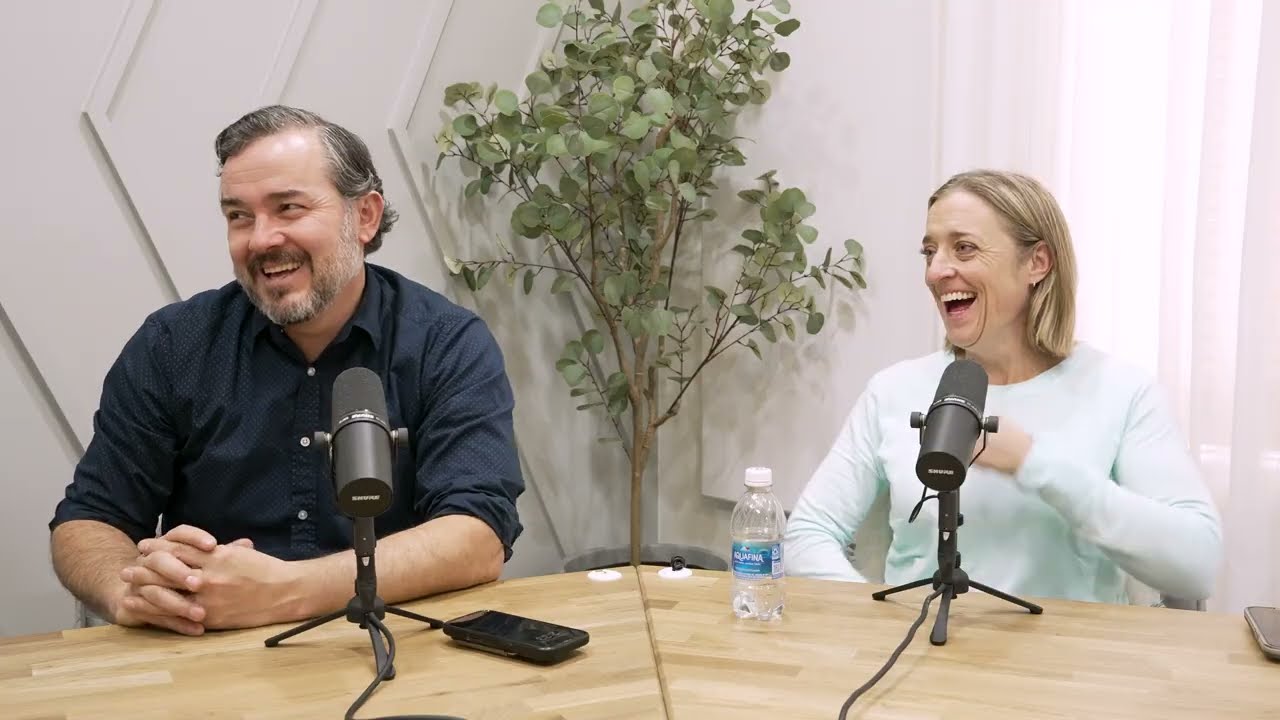
Dr. John Sanders and Shaunna Sanders sit down with Dr. Amanda to explore motherhood, identity, physician ...burnout, boundaries, partnership, and the decision to build a more human way of practicing medicine.
In this conversation, they discuss why mothers and professional women feel pressure to be everything to everyone, how saying no can be an act of self-respect, the hidden family cost of medical training, and how direct primary care created more room for meaningful work and family life.
This episode is for mothers, physicians, partners, and anyone learning to make room for their own needs without guilt.
Subscribe to the Voyage Clinics Podcast for more conversations about direct primary care, wellness, relationships, and building a healthier life.
Learn more or sign up for Direct Primary Care with Voyage Clinics:
https://voyageclinics.com
Direct Primary Care gives members easier access to their physician, longer visits, transparent membership pricing, and relationship-focused care without insurance billing driving the visit.
CHAPTERS
00:00 Martyrs and Saints: a poem for mothers
03:02 The beauty and cost of traditional roles
06:18 Boundaries, worthiness, and saying no
09:54 Why medicine rewards self-sacrifice
13:53 Motherhood is more demanding than medicine
16:55 Dr. Amanda's path into medicine
19:01 Deciding which responsibilities can bounce
23:03 Letting good enough be enough
26:55 Building a full-spectrum medical career
30:58 When 20-minute visits stop working
34:58 The family cost of physician burnout
38:30 Choosing direct primary care
42:03 Letting your family sacrifice for you
48:23 How autonomy changed work and family life
54:17 Partners, family, and closing reflectionsShow More

The conversation touches on the value of human connection, vulnerability, and intentional living. Jason reflects on the cultural and generational barriers that often keep men from expressing their emotions and seeking support, and he emphasizes the power of simply being present and listening. He and Dr. Sanders explore how service, authenticity, and spiritual grounding contribute to a fulfilling life, especially for those navigating change or emotional difficulty. Jason also discusses his own efforts to keep growing and stay curious, even while supporting others.
Throughout the episode, both men underscore the importance of slowing down and making time for self-reflection, faith, and purpose. Jason encourages listeners to notice when they’re “operating from fear” and instead choose to lead with love and truth. Dr. Sanders ties these insights back to his clinical work, affirming how critical it is for people—especially men—to find spaces where they can speak openly and feel seen. The conversation closes with gratitude and a shared hope that listeners will be inspired to pause, connect, and live more fully.
Disclaimer: The content provided in this podcast is for informational purposes only and is not intended as medical advice nor as a substitute for professional medical consultation, diagnosis, or treatment. Always seek the advice of your physician or other qualified health provider with any questions you may have regarding a medical condition.
0:00 Introduction: Jason Peery and the Purpose of Coaching
0:48 Family, Business, Youth, and Mental Health
2:16 Winning Without Obsessing Over Winning
3:27 Why Presence Improves Performance
6:12 Sports as Emotional Training
8:21 How Inner Dialogue Shapes Our Emotions
10:42 Why Jason Became a Coach
12:41 Rebuilding a Broken Basketball Program
15:04 Under Pressure, Your Deepest Habits Rise
16:15 Take Blame, Give Credit
18:32 How Coaching Principles Apply to Family Life
19:48 What Great Coaches Do Differently
24:07 When Adults Spill Their Emotions Onto Young People
26:28 Developing Better People, Not Just Champions
29:27 Smartphones, Social Pressure, and Youth Mental Health
32:08 A Family’s Experience With Serious Mental Illness
34:41 What Struggling Children Need From Their Parents
37:45 Accepting That You Cannot Fix Everything
39:28 Why Parenting Teenagers Requires Letting Go
40:42 When Being a “Good Parent” Becomes About Ego
43:55 Healthy Attachment Requires Healthy Detachment
45:43 Why Teenagers Shut Down Around Their Parents
46:31 How to Help Your Teen Open Up
49:02 Mistakes, Shame, and Unconditional Worth
50:02 Healthy Detachment Still Requires Hard Conversations
51:04 Repairing After Parenting From Fear
52:34 Anger, Fear, and Emotional Self-Awareness
54:11 Letting Your Children See Your Imperfection
56:04 Holding Firm Boundaries Without Defensiveness
56:42 Closing ThoughtsShow More

Doula Dani Enkey joins Dr. John Sanders for an honest ...conversation about birth, postpartum healing, motherhood, and the support women need as they care for their families. Dani shares how she learned to make space for her own interests and needs without carrying constant guilt, and why a mother’s wellbeing matters to the health of the entire family.
Dani explains how her passion for postpartum care led her into doula work. She discusses the practical and emotional support doulas can provide before, during, and after birth—from education and birth preferences to nourishment, reassurance, advocacy, and helping families adjust when birth does not go according to plan.
Dr. John and Dani also explore the relationship between doulas, midwives, physicians, birth centers, and hospitals. They discuss balancing a meaningful birth experience with safety, building trust with the medical team, understanding that birth is unpredictable, and keeping the central goal in view: a healthy mother and healthy baby.
The conversation also addresses the postpartum support gap, why mothers often need more care than a brief follow-up visit can provide, and how compassionate, relationship-based support can help women feel seen during a major physical and emotional transition.
In this episode:
• Motherhood, identity, guilt, and finding your voice
• Giving yourself permission to rest and pursue your own interests
• What birth and postpartum doulas actually do
• Emotional, educational, and practical birth support
• Birth preferences, medical safety, and unexpected changes
• Working collaboratively with midwives, physicians, and hospitals
• Choosing a doula who fits your family
• The cost and accessibility of doula services
• Postpartum nourishment, recovery, and mental health
• Why mothers deserve meaningful care after birth
This episode is for general education and does not provide individualized medical advice. Pregnancy, birth, and postpartum needs vary; discuss personal decisions and urgent symptoms with a qualified healthcare professional.
Learn more or sign up for Direct Primary Care with Voyage Clinics:
https://voyageclinics.com
Direct Primary Care gives members easier access to their physician, longer visits, transparent membership pricing, and relationship-focused care without insurance billing driving the visit.
CHAPTERS
00:00 Introduction
03:10 Why emotions feel difficult
06:25 Naming what you feel
09:40 The role of the nervous system
12:55 Avoidance and emotional patterns
16:10 Building self-awareness
19:30 Responding instead of reacting
22:45 Emotional intelligence in relationships
26:05 Common misconceptions
29:20 Practical regulation tools
32:35 Learning through discomfort
35:50 Helping children with emotions
38:15 When professional support helps
40:05 Key takeaways
41:30 Closing thoughtsShow More

Watch Part 1, “Leaning Into Grief,” here:
https://www.youtube.com/watch?v=5NbdiFFSYv4
Dr. Spangler explains that stress and worry exist on a continuum. Too little activation may leave us unprepared, a moderate amount can improve performance, and too much can produce chronic tension, digestive symptoms, rumination, panic, and exhaustion. The goal is not to eliminate concern—it is to care and prepare at a level that remains useful.
The conversation examines how biology, family patterns, learned expectations, and emotional intelligence shape the way people respond to uncertainty. Dr. Spangler introduces a practical “worry time” exercise: write worries down, postpone them to a scheduled 20-minute period, follow one concern to its feared conclusion, and identify what could actually be done if it happened.
Dr. John and Dr. Spangler also discuss why worries feel urgent, how rumination jumps between unresolved threats, and how recognizing the limits of control can create room to breathe and let go. They explore performance pressure, perfectionism, hard experiences, and how reframing what it means to care can lead to a healthier, more expansive life.
This episode is for general education and is not individualized mental-health treatment. Persistent or severe anxiety, panic, or functional impairment should be discussed with a qualified healthcare or mental-health professional.
Learn more or sign up for Direct Primary Care with Voyage Clinics:
https://voyageclinics.com
Direct Primary Care gives members easier access to their physician, longer visits, transparent membership pricing, and relationship-focused care without insurance billing driving the visit.
CHAPTERS
00:00 Part 2: how to care just enough
01:20 Stress, preparation, and the performance curve
03:01 When moderate stress helps us perform
05:42 Fight-or-flight activation is a continuum
08:35 Chronic worry, body tension, and digestive symptoms
11:45 Genetics and individual stress reactivity
14:25 How families teach us to prepare and worry
17:30 Emotional intelligence and body awareness
20:30 What it means to worry appropriately
22:35 Following fear to the worst possible outcome
25:05 Turning a feared scenario into an actionable plan
28:38 Why worried thoughts feel urgent
30:20 Introducing scheduled worry time
32:50 How rumination ping-pongs between threats
35:35 Writing worries down and revisiting them later
38:30 Avoidance, hard experiences, and chronic worry
41:35 Accepting the limits of control
44:30 Breathing, preparation, and learning to let go
47:35 Helping people bloom after anxiety
50:20 Making the feared fantasy less powerful
53:45 Perfectionism, grades, and healthier caring
57:01 Reframing pressure into a more expansive lifeShow More

What began as a journey of self-discovery became ...a 15-month, 23-day experiment in letting go—of possessions, stability, expectations, control, and the belief that they needed to know exactly how life was going to unfold.
In this episode of the Voyage Clinics Podcast, Dr. John Sanders talks with Amanda and Kolton about the events that led them onto the road, including job loss, personal-development work, and the moment Amanda announced that they were going to walk across the country.
Along the way, they learned to distinguish between having a vision and trying to control the mechanics of how that vision must happen. Again and again, food, shelter, transportation, relationships, and unexpected opportunities appeared when they needed them.
Then their journey took an extraordinary turn: Amanda became pregnant.
While traveling, they created a vision for a safe birth with a midwife. Months later, Amanda went into labor while they were staying with a family in Parma, Idaho—only to discover that the man whose home they were staying in was a retired midwife.
Their story opens a larger conversation about fear, faith, surrender, identity, anxiety, shame, boundaries, and neuroplasticity. Dr. John also connects these ideas to medicine, physician burnout, mental health, and the challenge of changing deeply ingrained patterns of thought.
Amanda shares her own transformation from a young woman who once struggled with severe depression and anxiety to someone capable of spending more than a year walking across the country, staying with strangers, becoming a mother, and continually choosing a different vision for her life.
This conversation asks a powerful question:
What might become possible if you stopped demanding that life happen a certain way—and became clear instead about where you want to go?
Topics include:
* Walking across the United States
* Letting go of control
* Vision vs. planning
* Fear and surrender
* Faith and intuition
* Pregnancy and birth on the journey
* Anxiety and uncertainty
* Breaking shame cycles
* Identity and self-discovery
* Neuroplasticity and changing thought patterns
* Ketamine-assisted treatment and mental health
* Physician burnout and healthcare systems
* Boundaries and personal growth
**Guests:** Amanda and Kolton Rackham
**Host:** Dr. John Sanders, Voyage Clinics
Disclaimer: The content provided in this podcast is for informational purposes only and is not intended as medical advice or as a substitute for professional medical consultation, diagnosis, or treatment. Always seek the advice of your physician or another qualified health provider with questions regarding a medical condition.
0:00 Introduction: Amanda & Kolton Rackham
1:38 How Amanda and Kolton Met
7:31 Personal Development and the Search for Something More
8:58 Getting Fired—and Feeling Liberated
10:27 Discovering Purpose Through Mentorship
12:17 “We’re Going to Walk Across the United States”
13:19 Letting Go of Their Stuff and Starting the Journey
19:01 Committing to the Unknown
21:53 What Do We Actually Have Control Over?
23:44 Let Go of How It Has to Happen
25:38 Trust, Surrender, and 15 Months of Unexpected Help
29:00 15 Months, 23 Days—and a Baby Along the Way
31:08 Creating a Vision for the Birth
31:59 Going Into Labor at a Retired Midwife’s Home
35:02 Vision vs. Mechanics: Stop Forcing the How
36:43 Finding the Balance Between Structure and Intuition
39:02 When to Let Go—and When to Set a Boundary
40:19 How This Applies to Medicine and Burnout
43:09 You Need a Vision That Can Catch You
45:16 Anxiety, Uncertainty, and Trusting the Next Step
46:03 Self-Discovery Means Stripping Away Who You’re Not
48:14 How to Keep Discovering Who You Really Are
48:39 Questioning the Rules and the “Shoulds”
50:22 Breaking the Shame Cycle
53:34 Neuroplasticity and Creating a New Way of Seeing
54:49 Ketamine, Letting Go, and Rescripting Old Patterns
57:05 Amanda’s Journey From Severe Anxiety to Walking Across America
57:58 Choose a New Thought and Keep Choosing It
58:52 Closing ThoughtsShow More
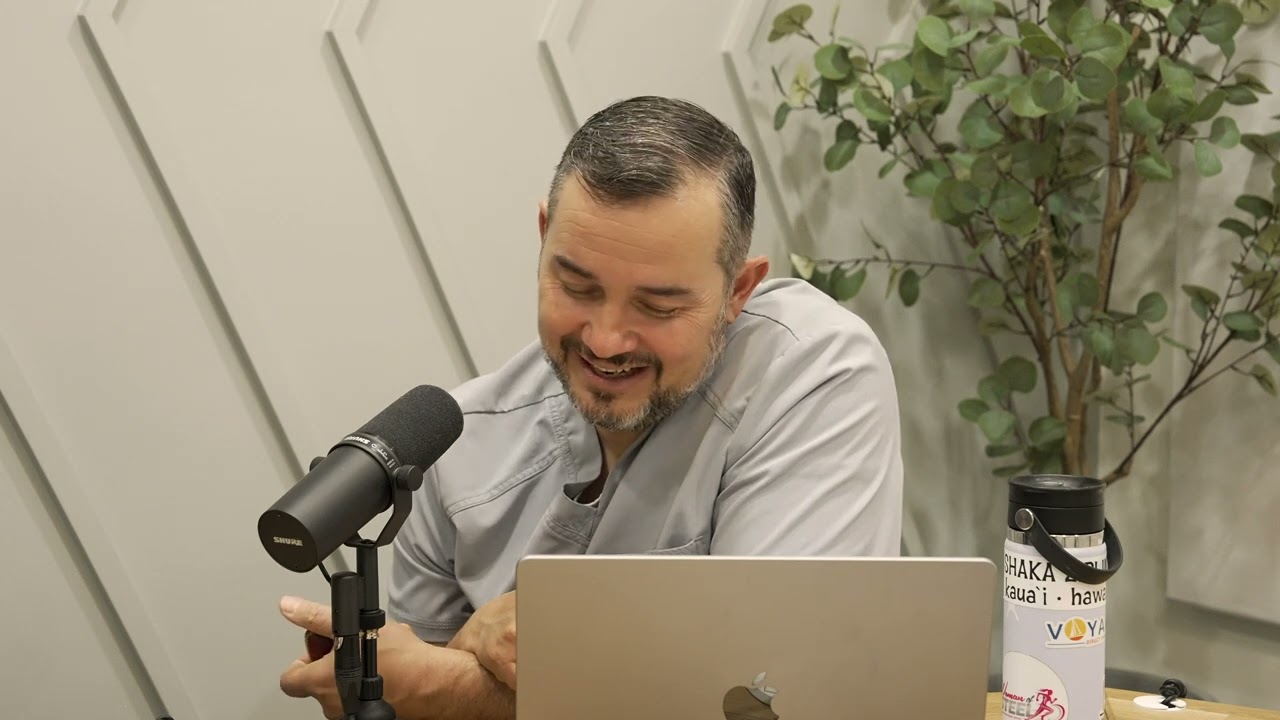
In this episode of the Voyage Clinics ...Podcast, Dr. John Sanders talks with pediatrician Dr. Jonathan Bartholomew about parenting, pediatrics, and choosing family over the pressure to build a perfect career. Dr. Bartholomew shares the experiences that led him into medicine, why he chose pediatrics, and how protecting his most important relationships shaped his professional path.
Their wide-ranging conversation offers practical guidance for new and experienced parents. They discuss finding a pediatrician you trust, supporting mothers after delivery, sharing the work of newborn care, protecting sleep, and creating time for parental mental health. They also cover early developmental signs, infant fever, head shape and tummy time, introducing common food allergens, nutrition, exercise, safe sleep, screen use, smartphones, and the importance of real-world connection.
Throughout the episode, Dr. John and Dr. Bartholomew return to one central idea: healthy children are supported by healthy relationships. Parenting is not about getting everything right. It is about choosing priorities, building a team, staying connected, and giving children a strong example of how to live.
Learn more or sign up for Direct Primary Care with Voyage Clinics:
https://voyageclinics.com
Direct Primary Care gives members easier access to their clinician, longer visits, transparent membership pricing, and relationship-focused care without insurance billing driving the visit.
This conversation is educational and is not individualized medical advice. Always discuss your child's symptoms, development, feeding, sleep, medications, and safety needs with a qualified pediatric or family healthcare professional.
CHAPTERS
00:00 Meet pediatrician Dr. Jonathan Bartholomew
01:07 Childhood experiences that inspired medicine
02:44 From optometry plans to medical school
05:30 The career decision that protected his family
07:14 Why relationships matter more than prestige
07:43 Choosing pediatrics and surviving residency
10:24 A career caring for Utah families
12:13 How to choose the right pediatrician
14:00 What families can expect from pediatric care
15:00 Supporting parents—not just the baby
16:00 Why parents must prioritize their own health
17:00 Sharing newborn care as a team
18:00 A practical strategy for protecting sleep
20:00 Mental health and creating space away from baby
22:00 Well-child visits and early development
23:00 Eye contact, muscle tone, and infant warning signs
25:00 Infant fever and accurate temperature checks
26:00 Head shape, neck mobility, and tummy time
28:00 When a baby may benefit from a helmet evaluation
30:00 Introducing foods and preventing peanut allergy
32:00 Allergens, readiness, and choking safety
35:00 Probiotics and building healthy food habits
38:00 Obesity, diabetes, and lifelong health
39:00 Exercise, the brain, and ADHD
41:00 Sleep training and movement for parents
46:00 Newborn feeding and responsive care
48:00 Safe sleep and reducing SIDS risk
50:00 How screens affect developing children
52:00 Parenting when everyone is exhausted
55:00 Smartphones, social media, and adolescent mental health
57:00 Exercise, outdoor play, and real connection
58:00 Final parenting prioritiesShow More
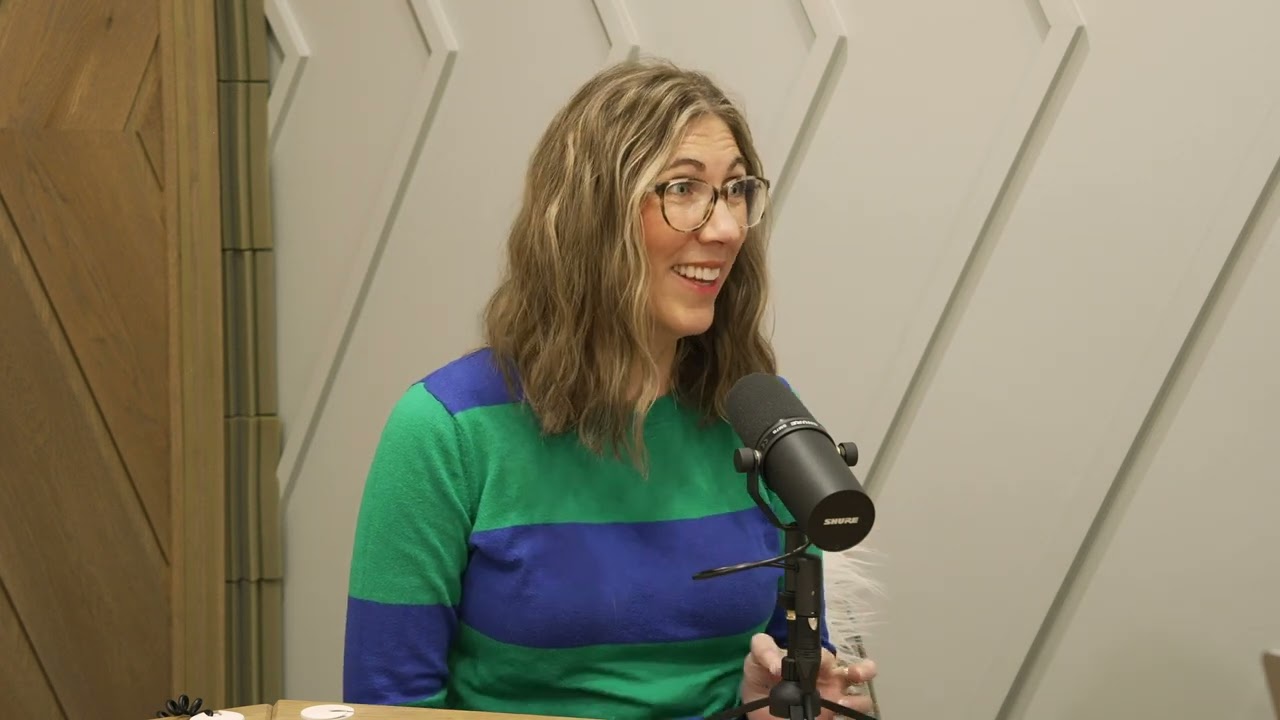
In this episode of the Voyage Clinics Podcast, Dr. John Sanders talks with Melissa about stepping away from her career to raise children, finding herself again, and returning to fulfilling work in international humanitarian service. They discuss the invisible demands of motherhood, why mothers need protected time for themselves, how partners can share the work more fully, and why vulnerability and community make the journey less isolating.
The conversation then turns to questions mothers frequently ask their doctors. Dr. John explains which childhood rashes deserve urgent attention, how strep throat can differ from a typical viral illness, what fever signs warrant a call, and how to think about common earaches. Melissa shares how direct access to a trusted doctor has reduced her family's anxiety and mental load—including during her daughter's rare and frightening illness.
They also explore why Dr. John left rushed corporate medicine to create Voyage Clinics, how Direct Primary Care gives families easier access and more time, and why changing the relationship between doctors and patients can help repair the culture of healthcare.
Learn more or sign up for Direct Primary Care with Voyage Clinics:
https://voyageclinics.com
Direct Primary Care gives members easier access to their clinician, longer visits, transparent membership pricing, and relationship-focused care without insurance billing driving the visit.
This conversation is educational and is not individualized medical advice. If a child has trouble breathing, swelling of the mouth or throat, severe illness, or another emergency warning sign, seek emergency care. Discuss symptoms, diagnosis, and treatment with a qualified healthcare professional.
CHAPTERS
00:00 Meet Melissa Holmes
01:00 Returning to work after raising children
02:00 Humanitarian service and meaningful work
03:00 How motherhood can blur a woman's identity
04:00 Finding the right path back into a career
06:00 Rediscovering yourself after motherhood
07:00 Why mothers need protected time
08:00 Resilience, vulnerability, and asking for support
10:00 Enjoying the process of becoming someone new
11:00 A call for fathers to share the work
12:00 Newborn shifts and team parenting
13:00 Helping mothers reclaim time for themselves
14:00 Communication, partnership, and the mental load
16:00 Questions mothers frequently ask doctors
17:00 When a childhood rash needs attention
18:00 Common newborn and infant rashes
19:00 Blisters, petechiae, and urgent rash warning signs
20:00 Post-viral rashes and strep complications
21:00 How strep differs from a viral sore throat
23:00 When cold symptoms can hide a second infection
24:00 The burden of urgent care uncertainty
25:00 How direct access reassures parents
26:00 The case that pushed Dr. John out of corporate medicine
27:00 A missed strep infection becomes a medical crisis
29:00 Why Voyage Clinics was created
30:00 Melissa's search for a better healthcare model
31:00 Combining Direct Primary Care with a health share
32:00 A cut, a photo, and immediate medical guidance
33:00 Reducing a mother's mental load
35:00 Teaching families that no question is stupid
36:00 A kidney stone and an early-morning house call
38:00 How Direct Primary Care changes the relationship
39:00 Hives, breathing trouble, and emergency warning signs
41:00 Support through a daughter's rare diagnosis
43:00 Why continuity of care mattered
45:00 Evaluating earaches without wasting a visit
46:00 Investing in a better healthcare culture
48:00 Febrile seizures and changing symptoms
50:00 When a child's fever is a big deal
53:00 Why children get so many ear infections
54:00 Viral ear pain versus bacterial infection
56:00 Swimmer's ear and common symptoms
58:00 Closing thoughts and future parenting questions
59:00 Affordable labs, imaging, and transparent careShow More

Richard explains why vulnerability is not weakness, how childhood attachment and old beliefs can shape adult relationships, and why criticism, contempt, defensiveness, and stonewalling can gradually turn partners into opponents. They also share practical ways to interrupt destructive patterns, rebuild trust, and discuss difficult subjects without making the goal “winning.”
This is Part 2 of Dr. Sanders’ conversation with Richard Tripp.
Looking for primary care that gives you more time, better access, and a real relationship with your doctor? Voyage Clinics offers Direct Primary Care designed around you and your family. Learn more and sign up at https://voyageclinics.com
This podcast is for educational and informational purposes only and is not a substitute for personalized medical or mental health advice, diagnosis, or treatment. Speak with a qualified professional about your individual needs.
CHAPTERS
00:00 Introduction and Richard Tripp’s background
02:50 Security, trust, and vulnerability
05:31 Where insecurity comes from
06:48 Attachment patterns from childhood
20:52 Vulnerability is not weakness
24:02 Why real love requires vulnerability
26:52 Building trust little by little
28:34 Four habits that destroy relationships
31:56 Helping your partner feel emotionally safe
35:55 Apologies and the art of repair
38:03 From destruction to healthier connection
46:14 How to discuss difficult subjects
53:07 Why understanding matters more than solving
1:01:32 Fight-or-flight during relationship conflict
1:04:36 Connection through imperfectionShow More
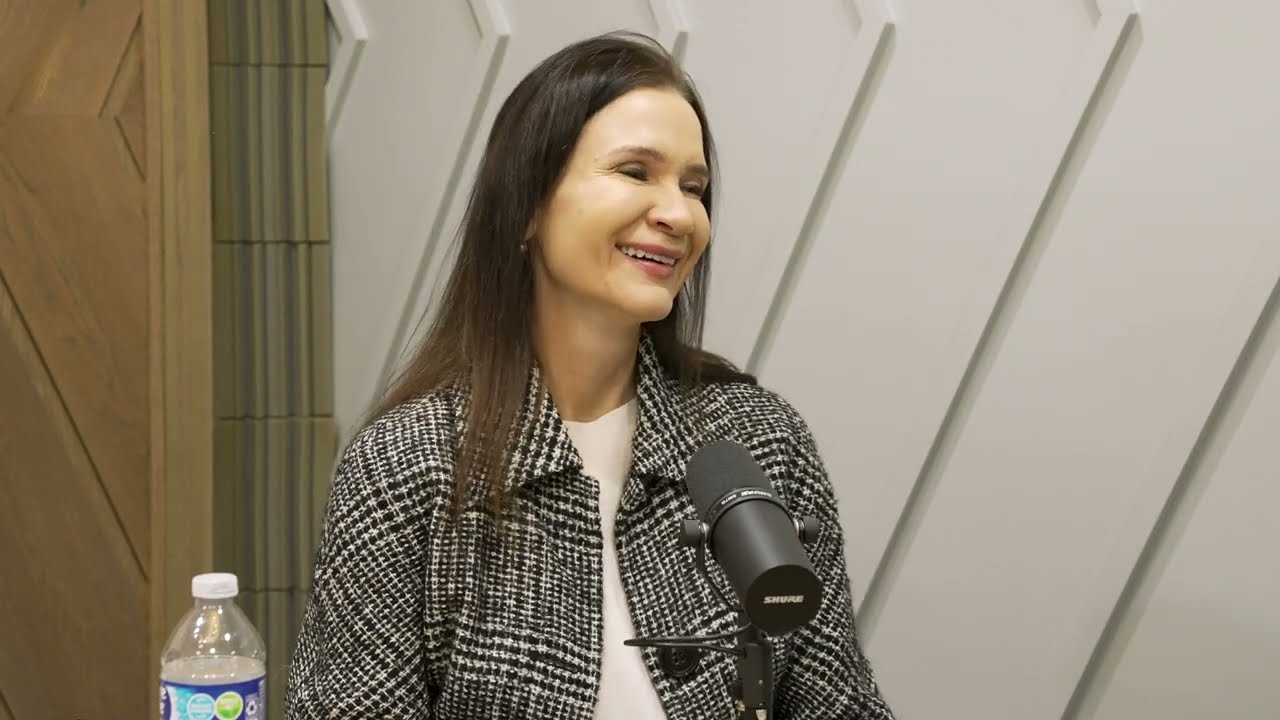
Dr. John Sanders talks with clinical psychologist Dr. Diane Spangler ...about grief, loss, emotional intelligence, and what it means to move toward painful emotions instead of running from them. Their conversation explores why grief is not limited to death, how suppressed emotions can intensify suffering, and how listening to what an emotion is telling you can help you process loss without losing yourself.
Looking for primary care that gives you more time, better access, and a real relationship with your doctor? Voyage Clinics offers Direct Primary Care designed around you and your family. Learn more and sign up at https://voyageclinics.com
This podcast is for educational and informational purposes only and is not a substitute for personalized medical or mental-health advice, diagnosis, or treatment. If grief or depression is interfering with your daily life, seek support from a qualified healthcare professional.
CHAPTERS
00:00 Introduction
00:30 Dr. Diane Spangler’s path into psychology
02:31 What supports optimal human functioning
05:15 Emotional wellness versus intellectual wellness
06:22 What emotional intelligence really means
09:33 How to build emotional intelligence
14:55 Grief is more than death
21:16 Recognizing the many forms of loss
23:35 Why grief and love are inseparable
30:52 What emotional suppression costs us
34:40 Listening to what an emotion is telling you
40:53 How emotion can distort our thinking
45:32 The genuine and distorted sides of grief
53:31 Grieving the death of someone you love
1:03:18 Why healing requires leaning into griefShow More
Want care that feels this straightforward?
The podcast is a good place to start. If you’re looking for a primary care team that knows your story, makes time for your questions, and doesn’t rush you out the door, see how membership at Voyage Clinics works.